

Introduction
The story of Jeffrey Epstein victims, the controversial discussions around Donald Trump Jeffrey Epstein, and the unanswered questions surrounding Jeffrey Epstein death continue to dominate public discourse. Years after Epstein’s arrest and death, survivors are still seeking justice, governments are reopening investigations, and the public remains divided over what really happened behind closed doors.
This article explores the latest developments, survivor perspectives, political associations, and the enduring mystery of Jeffrey Epstein death. With renewed attention on Jeffrey Epstein victims and their long fight for accountability, the story remains one of power, secrecy, and systemic failure.
Understanding Jeffrey Epstein and His Network
A detailed look at who Jeffrey Epstein was, how his network operated, and why the scale of abuse shocked the world and continues to affect survivors.
Jeffrey Epstein was a wealthy financier whose influence extended into politics, business, and global elite circles. Over decades, he cultivated relationships with powerful individuals, using his wealth and social access to shield criminal behavior.
At the center of the scandal are Jeffrey Epstein victims, many of whom were minors at the time of abuse. These victims were often recruited through manipulation, financial incentives, and coercion.

Key Characteristics of Epstein’s Network
- Recruitment of vulnerable young girls
- Use of private properties for abuse
- Financial leverage to silence victims
- Protection through powerful connections
The exposure of this network brought global attention to how wealth and influence can obstruct justice — a theme central to understanding both Jeffrey Epstein victims and the controversy surrounding Donald Trump Jeffrey Epstein discussions.
The Voices of Jeffrey Epstein Victims
Survivor testimonies reveal the emotional, psychological, and legal struggles faced by Jeffrey Epstein victims long after the abuse ended.
The most important voices in this story are those of the Jeffrey Epstein victims themselves. Many have described long-term trauma, fear of retaliation, and years of silence enforced by nondisclosure agreements and intimidation.
For many victims, justice was delayed for decades. Some came forward early, only to see charges minimized or dismissed. Others waited until Epstein’s arrest to finally speak.
Common Experiences Reported by Victims
- Grooming under the guise of mentorship
- Coercion masked as “consensual” relationships
- Threats involving money and legal action
- Psychological manipulation and isolation
The fight for recognition and compensation remains ongoing, even after Jeffrey Epstein death, highlighting the systemic failures that allowed the abuse to persist.
Table 1: Overview of Jeffrey Epstein Victims’ Experiences
| Category | Description |
|---|---|
| Age Range | Mostly minors and young adults |
| Recruitment Method | Grooming, financial incentives |
| Locations | Private residences, travel destinations |
| Impact | Long-term trauma, legal battles |
| Current Status | Seeking justice and accountability |
Donald Trump Jeffrey Epstein: Examining the Relationship
An examination of Donald Trump Jeffrey Epstein connections, public statements, timelines, and why this association remains controversial.
The topic of Donald Trump Jeffrey Epstein has generated intense debate. Trump and Epstein were known to move in similar elite social circles during the 1990s and early 2000s.
While no criminal charges have been brought against Trump related to Epstein, public records and statements confirm that they interacted socially during that period. Trump has repeatedly stated that he cut ties with Epstein long before Epstein’s arrest.

Donald Trump Jeffrey Epstein Discussion
- Social interactions during shared elite events
- Public statements distancing himself from Epstein
- No legal findings linking Trump to Epstein’s crimes
- Ongoing public scrutiny due to political relevance
The Donald Trump Jeffrey Epstein narrative remains significant because it reflects broader questions about accountability among powerful individuals associated with Epstein.
Separating Allegations from Verified Facts
When discussing Donald Trump Jeffrey Epstein, it is essential to distinguish verified facts from speculation. While associations existed, courts have not found evidence connecting Trump to Epstein’s criminal activities.
This distinction is often lost in public discourse, yet it is critical for fair analysis. The broader concern remains how Epstein leveraged elite connections to protect himself and silence Jeffrey Epstein victims.
Table 2: Timeline of Donald Trump Jeffrey Epstein Interactions
| Period | Event |
|---|---|
| 1990s | Social interactions within elite circles |
| Early 2000s | Relationship reportedly ends |
| 2019 | Trump publicly condemns Epstein |
| Post-2019 | Continued media scrutiny |
The Mystery Surrounding Jeffrey Epstein Death
Jeffrey Epstein death remains one of the most controversial prison deaths in modern history, raising questions about oversight and accountability.
The official ruling of Jeffrey Epstein death states that he died by suicide while in custody. However, inconsistencies in prison surveillance, staffing failures, and broken monitoring systems have fueled public skepticism.
Despite investigations confirming suicide, the circumstances surrounding Jeffrey Epstein death remain deeply controversial.
Key Concerns Raised After Epstein’s Death
- Surveillance cameras malfunctioned
- Guards reportedly failed to conduct checks
- Epstein was removed from suicide watch
- Potential loss of critical testimony
For many Jeffrey Epstein victims, his death represented the loss of an opportunity to confront their abuser in court.
Institutional Failures and Accountability
The fallout from Jeffrey Epstein death exposed systemic weaknesses within correctional facilities and raised concerns about preferential treatment for high-profile inmates.
Critics argue that Epstein’s wealth and influence may have contributed to lapses in security — a recurring theme in the broader Epstein scandal.
Table 3: Key Issues Surrounding Jeffrey Epstein Death
| Issue | Explanation |
|---|---|
| Surveillance Failures | Cameras malfunctioned |
| Staff Oversight | Guard negligence reported |
| Legal Impact | Criminal case ended |
| Public Reaction | Widespread distrust |
| Victim Impact | Justice delayed |
How Jeffrey Epstein Death Affected Victims’ Pursuit of Justice
The death of Epstein shifted legal focus toward civil cases and accomplices. For Jeffrey Epstein victims, this meant seeking accountability through settlements rather than criminal convictions.
While financial compensation provides some relief, many survivors emphasize that justice is about acknowledgment, truth, and systemic reform — not just money.
Media, Power, and Public Perception
The ongoing attention to Donald Trump Jeffrey Epstein and Jeffrey Epstein death illustrates how media narratives shape public understanding. Political polarization often overshadows the core issue: the suffering of Jeffrey Epstein victims.
Survivors frequently express frustration that discussions about political figures divert attention away from their experiences.
The Long Road Forward for Survivors
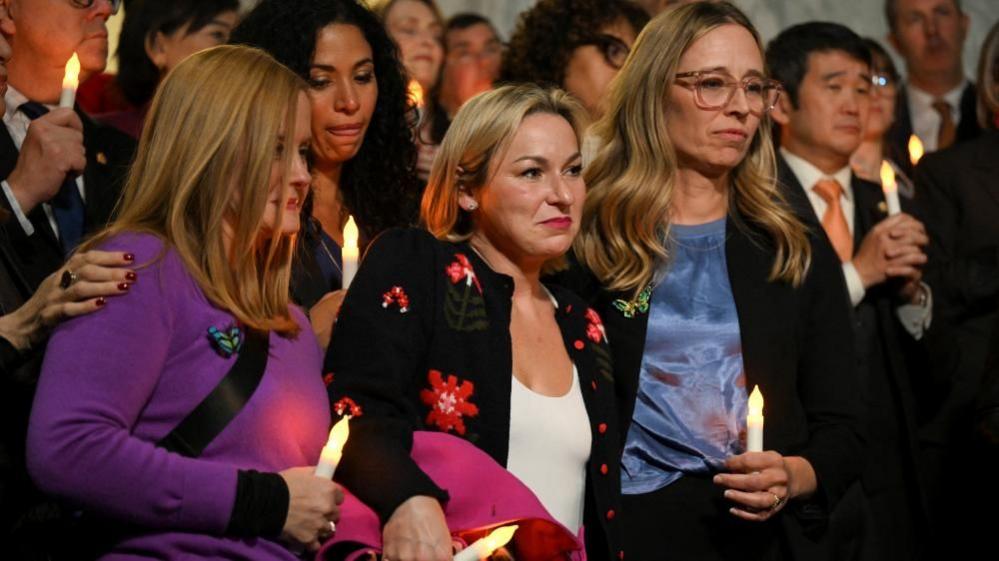
Despite settlements and investigations, many Jeffrey Epstein victims feel closure remains elusive. Healing is a lifelong process, complicated by public scrutiny and delayed justice.
What Survivors Continue to Demand
- Full transparency
- Accountability for enablers
- Survivor-centered legal reforms
- Stronger protections for vulnerable youth
Conclusion
The interconnected stories of Jeffrey Epstein victims, Donald Trump Jeffrey Epstein, and Jeffrey Epstein death reveal a disturbing pattern of power shielding abuse. While Epstein is gone, the consequences of his actions remain deeply embedded in legal systems, survivor lives, and public trust.
Read More:- Jeffrey Epstein’s Death, Net Worth, and the Controversial Path to His Wealth