

Introduction
Hiring the right candidate is one of the most critical decisions for any organization. A single wrong hire can affect productivity, workplace culture, and even company security. This is where background verification plays a crucial role in modern recruitment systems. It helps employers confirm whether a candidate’s personal, educational, and professional details are accurate and trustworthy.
In today’s competitive job market, resumes often look perfect on paper, but not every detail is always true. Companies need a reliable system to validate claims and ensure they are hiring individuals who are honest and qualified. This process reduces risks and builds a safer work environment for everyone involved.
As businesses expand and remote hiring becomes more common, verifying candidate authenticity has become even more important. Employers now rely on structured checks, digital tools, and professional agencies to ensure transparency and trust during hiring decisions.
Understanding Employee Screening and Identity Checks

Employee screening is a structured process used by organizations to validate a candidate’s identity, qualifications, and past records. It ensures that the information provided during recruitment is accurate and reliable.
A complete background verification process usually includes checking identity documents, educational certificates, employment history, criminal records, and sometimes financial history. These checks help organizations ensure that they are hiring credible individuals.
This process is not meant to distrust candidates but to maintain workplace integrity. It also protects companies from fraud, misinformation, and legal risks that can arise from negligent hiring practices.
By conducting proper screening, employers build confidence in their workforce and reduce the chances of future conflicts or compliance issues.
Why Employee Screening Matters in Modern Hiring
In today’s fast-paced corporate world, hiring decisions must be both quick and accurate. Companies cannot afford to take unnecessary risks when selecting employees. This is why verification systems have become an essential part of recruitment.
One of the major reasons organizations rely on background verification is to reduce hiring risks. It ensures that candidates are truthful about their qualifications and experience. False claims about education or job roles can severely impact business performance if left unchecked.
Another important factor is workplace safety. Employers need to ensure that new hires do not have any history that could pose a risk to other employees or company assets. This is especially important in sectors like finance, healthcare, and IT services.
Additionally, verified employees tend to build more trust within the organization. When everyone is properly screened, workplace culture becomes more transparent and professional.
Step-by-Step Process of Employee Verification
The employee screening process follows a structured approach to ensure accuracy and consistency. Each stage plays a vital role in confirming candidate authenticity.
The first step involves collecting necessary documents from the candidate. These may include identification proof, academic certificates, and previous employment records. Employers then cross-check these details with official sources.
Next comes the identity confirmation stage, where personal details such as address and government-issued IDs are validated. This helps ensure that the candidate is genuine and traceable.
After identity checks, employers verify academic qualifications by contacting educational institutions or using authorized databases. This ensures that degrees and certifications are legitimate.
Employment history is then verified by contacting previous employers. This step helps confirm job roles, tenure, and performance-related details.
Finally, criminal record checks may be conducted depending on job requirements and legal regulations. This ensures that the candidate does not have a history that could affect workplace safety or compliance.
Table: Common Components of Employee Screening
| Screening Type | What It Checks | Why It Matters |
|---|---|---|
| Identity Verification | ID proof, address, personal details | Ensures candidate authenticity |
| Education Verification | Degrees, certificates, academic records | Confirms qualification legitimacy |
| Employment Verification | Past job roles, experience, tenure | Validates work history accuracy |
| Criminal Record Check | Legal background and court records | Ensures workplace safety |
| Reference Check | Feedback from previous employers | Assesses behavior and performance |
This structured approach makes the hiring process more reliable and reduces the chances of misinformation affecting recruitment decisions.
Industries That Rely Heavily on Employee Screening
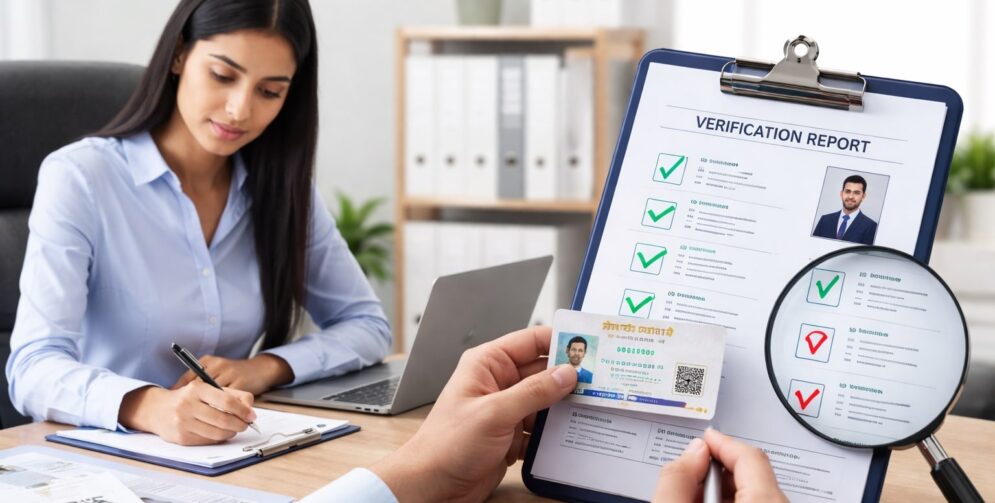
Different industries have different levels of risk, and therefore, varying degrees of employee verification requirements. Some sectors depend heavily on strict screening processes to ensure safety and compliance.
In the IT and software industry, companies handle sensitive data and client information. Even a small security breach can lead to major losses, so thorough verification is essential.
The banking and financial sector also depends strongly on employee checks. Since employees handle money and confidential financial data, trust and integrity are non-negotiable.
Healthcare organizations require strict screening as well, because employees directly deal with patient care and sensitive medical information. Any negligence or false credentials can have serious consequences.
Even startups and small businesses are increasingly adopting background verification processes to avoid hiring risks and build strong teams from the beginning.
Government organizations and public sector jobs also follow strict screening rules to ensure national security and public trust.
Challenges in the Verification Process
Although employee screening is highly beneficial, it does come with certain challenges. One of the biggest issues is the time-consuming nature of the process. Verifying multiple documents and records manually can slow down hiring.
Another challenge is the lack of standardized data sources in some regions. Employers may find it difficult to access accurate records, especially from older institutions or small organizations.
Data privacy is also a major concern. Handling sensitive personal information requires strict compliance with privacy laws and ethical guidelines.
Despite these challenges, modern tools and digital platforms are making the process faster and more reliable. Automation is helping companies reduce manual effort and improve accuracy.
Benefits of Proper Employee Screening Systems
A well-structured verification system offers numerous advantages to organizations of all sizes. It not only improves hiring quality but also strengthens long-term workforce stability.
One of the biggest benefits is risk reduction. By validating candidate information early, companies avoid potential fraud or misrepresentation issues later.
Another major advantage is improved employee trust. When everyone in the organization is properly screened, it creates a transparent and professional environment.
Companies also experience better retention rates because verified employees tend to be more reliable and aligned with job expectations. This reduces turnover costs and improves productivity.
A strong background verification system also enhances brand reputation. Organizations known for safe hiring practices attract better talent and maintain higher credibility in the industry.
Additionally, it ensures compliance with legal and regulatory standards, protecting companies from potential legal complications.
Key Takeaways
Employee screening is a crucial part of modern recruitment that ensures accuracy, trust, and safety. It helps organizations confirm candidate authenticity and avoid hiring risks. A structured verification system improves workplace integrity and supports long-term business success. While the process can be time-intensive, its benefits far outweigh the challenges, making it an essential practice for companies across industries.
Frequently Asked Questions (FAQs)
1. What is employee screening used for?
Employee screening is used to verify a candidate’s identity, qualifications, and past records before hiring.
2. Why is verification important in hiring?
It ensures that candidates provide accurate information and helps organizations avoid hiring risks.
3. How long does the screening process usually take?
The duration depends on the depth of checks and the responsiveness of external institutions.
4. Is employee screening mandatory for all jobs?
Not all jobs require it, but many companies use it as a standard hiring practice.
5. Can candidates fail the screening process?
Yes, if discrepancies or false information are found during verification, candidates may be rejected.
6. Do small businesses also need verification systems?
Yes, even small businesses benefit from screening as it reduces hiring mistakes.
7. Is the process safe for personal data?
Reputed organizations follow strict privacy rules to protect candidate information.
Conclusion
Hiring the right talent is one of the most important aspects of building a successful organization. A strong screening system ensures that every employee is qualified, trustworthy, and aligned with company values. With growing competition and increasing digital hiring, companies cannot ignore the importance of proper verification methods.
A well-implemented background verification process not only protects businesses from risks but also strengthens workplace culture and long-term performance. As industries continue to evolve, structured employee screening will remain a cornerstone of safe and effective hiring practices.